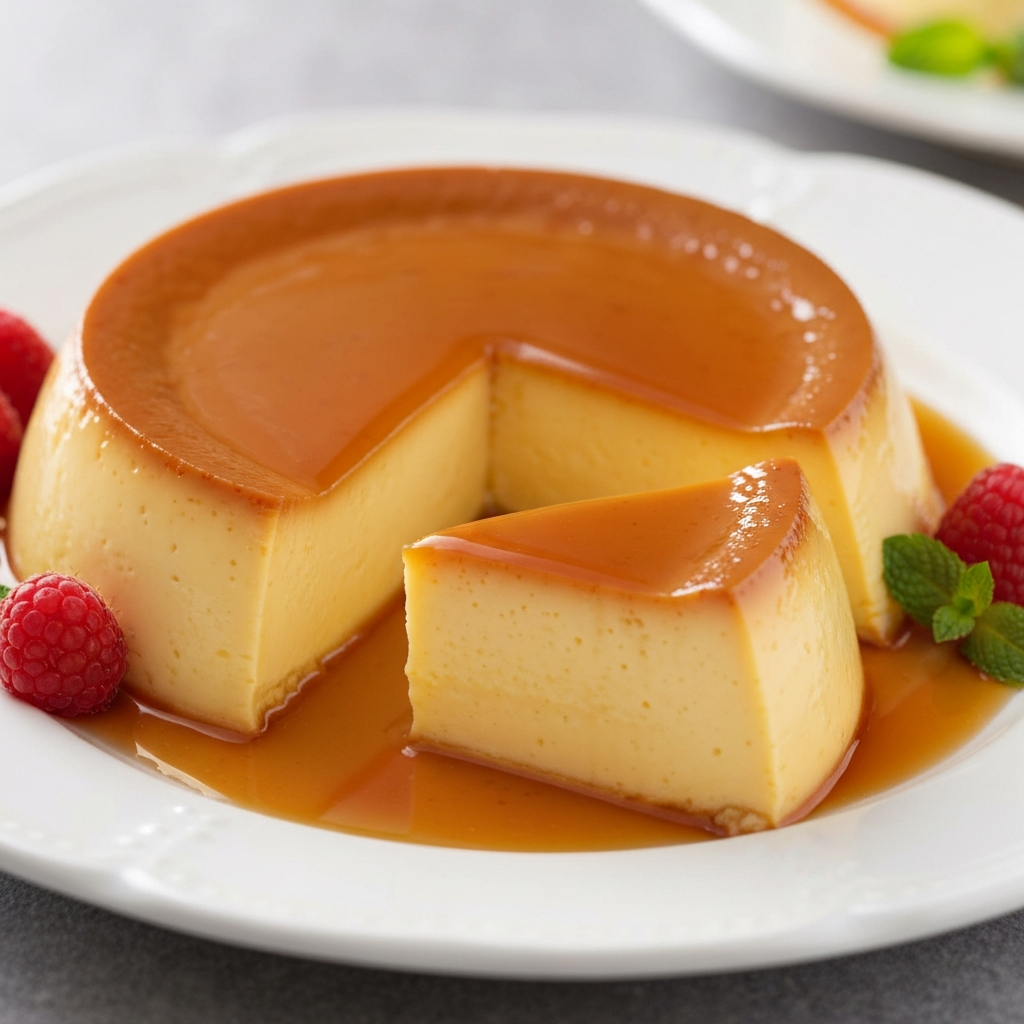

Did you know that the dessert we know and love as flan has roots stretching back to ancient Rome? This creamy, custard-based treat, often crowned with a shimmering caramel glaze, has captivated taste buds for centuries and continues to be a beloved dessert across many cultures. Its simple yet elegant preparation makes it a versatile canvas for flavor, and its enduring popularity is a testament to its deliciousness.
The Ancient Origins of Flan
The history of flan is as rich and layered as its texture. While modern flan is often associated with Spanish and Latin American cuisine, its origins can be traced back to ancient Roman times. The Romans were known for their love of eggs, and they created a savory dish called tyropatina, a baked egg custard. When sugar became more widely available, the Romans began adding it, transforming the savory dish into a sweet dessert. This early form of flan was a significant precursor to the sweet custards enjoyed today. Over time, as culinary traditions spread and evolved, flan made its way through various regions, adapting to local ingredients and tastes.
The Classic Flan Recipe
The heart of any flan recipe lies in its simple yet masterful combination of ingredients. Typically, it involves eggs, milk or cream, sugar, and a flavoring agent, most commonly vanilla. The magic truly happens with the caramel. Sugar is heated until it liquefies and turns a deep amber color, then poured into the bottom of the baking dish. This caramel then bakes with the custard, creating that iconic glossy topping. A well-executed flan is smooth, creamy, and rich, with a delicate sweetness balanced by the slightly bitter notes of the caramel. For those looking to master this classic, a good flan recipe is the perfect starting point.
Exploring Global Variations
Flan’s journey across continents has resulted in a fascinating array of variations. In Spain, flan de huevo is the quintessential version, focusing on the pure flavor of egg custard. Latin America offers a wealth of interpretations. Flan Napolitano, for instance, often incorporates cream cheese, giving it an even richer and denser texture. Puerto Rican flan might feature ingredients like coconut milk or rum, adding tropical flair. In Mexico, flan de cajeta uses caramelized goat’s milk (cajeta) instead of regular caramel, offering a distinct, slightly tangy sweetness. These variations showcase how a single dessert concept can be adapted to reflect the diverse culinary landscapes of the world. Learning about these differences can deepen your appreciation for this globally cherished dessert.
Tips for Perfect Flan
Achieving a perfectly smooth and creamy flan requires a bit of care. One of the most crucial steps is gentle baking. Often, flan is baked in a water bath, also known as a bain-marie. This method ensures even heating, preventing the custard from curdling or developing a rubbery texture. Another key is to avoid overmixing the custard ingredients, as this can introduce too much air, leading to a less smooth final product. When unmolding, a slight jiggle of the pan can indicate it’s ready to release. Patience is also a virtue; allowing the flan to chill thoroughly in the refrigerator before inverting is essential for the caramel to set properly and for the custard to firm up.
Frequently Asked Questions About Flan
What is the difference between flan and crème caramel?
In many parts of the world, particularly in Europe, “crème caramel” is the term used for the same dessert. The names are often interchangeable, referring to a baked egg custard with a caramel topping. The term “flan” itself has a broader meaning in some cuisines, sometimes referring to open-faced tarts, but in the context of this creamy, caramel-covered dessert, it’s essentially the same as crème caramel.
Why is my flan watery?
A watery flan can be the result of several factors. It might not have baked long enough, meaning the custard hasn’t fully set. Alternatively, overbaking can sometimes cause the custard to separate. Using too much liquid in proportion to the eggs can also lead to a looser texture. Ensuring you use the correct ratios in your [flan recipe](https://lovecakebake.com/flan-recipe/) and baking it using a water bath are key to preventing this.
Can I make flan without a water bath?
While a water bath is highly recommended for achieving the smoothest, most consistent texture, it is possible to bake flan without one. However, you must bake it at a lower temperature and watch it very carefully to prevent overcooking and ensure even heat distribution. The texture might be slightly less creamy compared to one baked in a water bath.
How do I get a smooth caramel for my flan?
To create a smooth caramel, it’s best to use dry sugar in the pan and let it melt undisturbed over medium heat. Avoid stirring initially, as this can cause crystallization. Once it starts to melt and turn amber, you can gently swirl the pan to ensure even coloring. Be careful not to burn the caramel, as this will result in a bitter taste.
Conclusion
Flan stands as a testament to the enduring appeal of simple, well-executed desserts. From its ancient Roman origins to the diverse and delicious variations found around the globe, this creamy custard with its signature caramel glaze continues to delight. Whether you’re enjoying a classic Spanish flan de huevo or a rich Flan Napolitano, the experience is always one of pure, sweet indulgence. Mastering a flan recipe is a rewarding culinary endeavor, offering a taste of history and a world of flavor in every spoonful.